


Like Nastya: Party Time
4.7283.00 Reviews
App Specs
- Version
- 1.8.3
- Updated On
- License
- Free
- Downloads
- 10,000,000+
- Developer
- Like Nastya Official
- Categories
- Educational
- Platform
- Android, iOS
Screenshots
 Analysis by AppCompare
When it comes to engaging kids with interactive content, Like Nastya: Party Time is a game that stands out in the sea of children's apps. If you’ve ever caught your little ones glued to the Like Nastya YouTube channel, you’ll know how captivating Nastya’s adventures can be. Now, imagine bringing that excitement to your mobile device. That's exactly what this app does, and I’ve taken it for a spin to give you the lowdown.
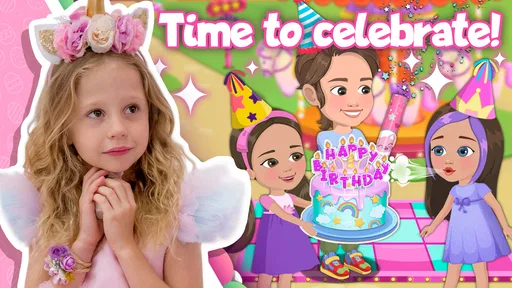
A birthday theme with a clear point of view
The game’s birthday-party setting gives its activities a shared purpose: children are not just moving between unrelated tasks, but joining a celebration with Nastya and her friends. That simple frame can make play feel more inviting for a child who already knows the character. I see the strongest appeal in the familiar faces and party preparations, rather than in a deep story or a complicated challenge.
That focus is also a useful way for a parent to decide whether it fits. If a child enjoys make-believe, choosing decorations, and giving characters outfits, the theme offers an easy starting point for imaginative play. If they are looking for a longer adventure with exploration, levels, or a detailed plot, a birthday-centered collection of activities may feel limited. I would treat it as a short-form play option, not a replacement for a story-driven game.
Like Nastya Official is the developer, and the game is free to download, with optional in-app purchases listed from $0.99 to $14.99 per item. That makes the first decision easy, but I would still look over purchase settings with a child before handing over a device. A free download does not mean every possible purchase is free, so it is sensible to make clear that buying anything needs an adult’s permission.
The game is rated Everyone and is listed for devices running Android 7.0 or later. Those details help with basic eligibility, but they do not answer every family’s question about fit. Age ratings are broad, and children vary in reading ability, patience, and how much help they need with a touchscreen. I’d use the first session to see whether the child can follow the on-screen prompts and move between activities comfortably.
Jumping Into the Fun
Right off the bat, Like Nastya: Party Time is a visual treat. The bright colors and friendly design elements immediately capture your attention. It’s like stepping into a vibrant cartoon world where every corner holds something new to discover. As soon as you launch the app, you’re greeted with a cheerful interface that’s both intuitive and inviting, making it easy for kids to navigate without much help.
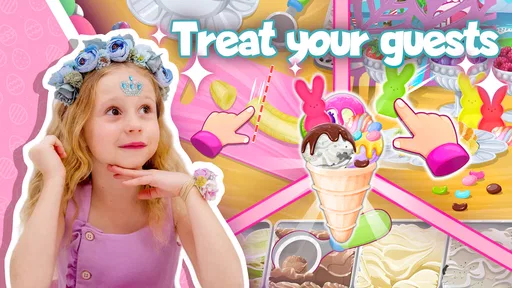
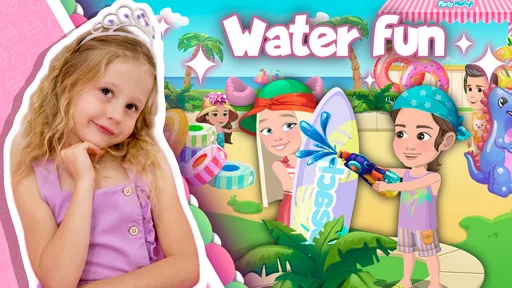
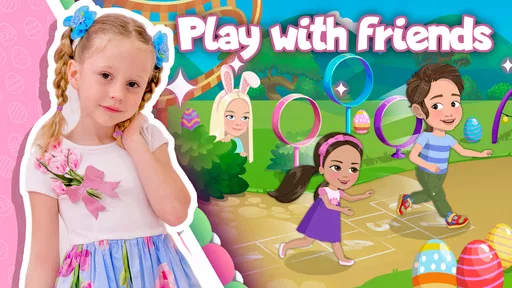
The game is all about hosting the perfect party with Nastya and her friends. It’s divided into several mini-games, each designed to keep kids entertained while subtly enhancing their cognitive skills. From decorating cupcakes to choosing party outfits, there’s a variety of tasks that require attention to detail and creativity.
Worth Reading Before You Choose

EA SPORTS FC Mobile 26 Is a Bigger Football Game, but It Takes Time

Flipboard Shows What News Apps Must Do Beyond the Feed

Switching to Android Auto Means Rethinking Your Driving Routine

Google Calendar Makes a Crowded Week Easier to Manage

Ludo King Makes the Most of the Minutes Between Plans

Baby Panda World Brings Quick Play to Modern Phones, but Its Game Library Feels Busy
Mini-Games Galore
One of the most enjoyable aspects of this app is its diverse range of mini-games. Each game is crafted to engage kids in different ways:
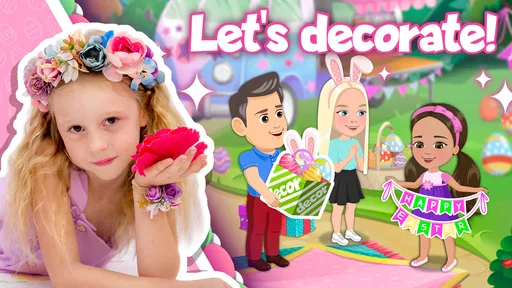
- Decorate the Venue: Kids can unleash their inner decorator by choosing themes, colors, and decorations. It’s all about making the party visually stunning.
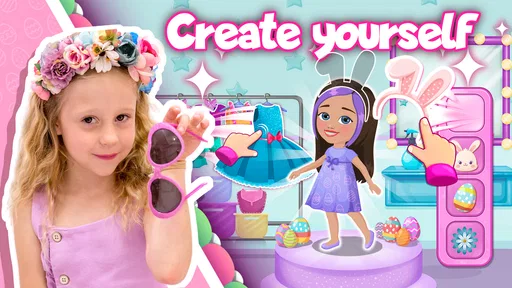
- Dress Up: This is where creativity shines. Selecting outfits for Nastya and her friends is fun and encourages kids to experiment with styles.
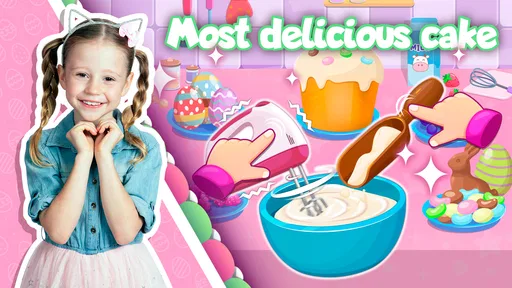
- Cupcake Craze: A personal favorite, this game lets kids decorate cupcakes with a variety of toppings, fostering their artistic skills.
Each activity is designed to be straightforward, ensuring that children remain engaged without getting frustrated. The games are short and sweet, perfect for maintaining a young child’s attention span.
Making the activities work for everyday play
These short activities lend themselves to small pockets of time: a few minutes before dinner, a quiet break while waiting for an appointment, or a calm activity after a busy day. I would set a simple boundary before opening the game, such as choosing one party task and then putting the device away. That keeps the session intentional instead of relying on the game to hold a child’s attention indefinitely.
There is also a nice opportunity for an adult to join without taking over. Rather than telling a child which outfit or topping to choose, ask them to explain their choices: “What would make this party feel cheerful?” or “Which colors do you want to use together?” The game can then become a prompt for conversation and decision-making, while the child remains in charge of the creative choices.
A practical trade-off is that familiar activities can be comforting but may not sustain every child for long. A child who likes repeating a favorite decoration or cupcake choice may enjoy returning to it, while one who wants a new objective each time could move on quickly. I would not judge its value by whether it keeps a child occupied for a long stretch; its better use is as a light, contained activity that gives them a few choices to make.
Keeping It Educational
While the focus is on fun, there’s also an educational element woven throughout the games. Children are subtly encouraged to make decisions, solve problems, and express their creativity. Whether it’s choosing the right colors for a theme or deciding which toppings go best on a cupcake, these tasks help in developing critical thinking skills.
The learning here is informal. I would describe it as practice in choosing, comparing, and expressing preferences rather than a structured lesson with a clear curriculum. That distinction matters if a parent is looking specifically for reading, maths, or language practice: this is not the sort of educational game I would pick to teach a targeted school skill. It is more suitable as playful creative time, where a child can make choices and see a party come together.
Compared with the usual alternatives for young children, this game sits closer to a themed activity collection than to a puzzle app, a digital book, or a learning program organized around lessons. A puzzle game may offer more defined challenges; a story app may be better for listening and following a narrative; and a learning app may provide more direct practice in a particular subject. The party theme is its distinctive strength, but it also narrows its appeal to children who enjoy dress-up and celebration play.
One useful way to choose between those options is to start with the child’s goal. If they want to make things look the way they imagine, the party activities are a natural fit. If they are asking for a challenge with right and wrong answers, a puzzle-based alternative may satisfy them more. If the priority is practising a specific skill, I would choose an app built around that skill and use this one for lighter, imaginative play.
Parents may also wonder whether the game is suitable for a child who does not already follow Nastya. The birthday setting and activities can still be understandable on their own, but recognition of the character is likely to add to the appeal for fans. For a child unfamiliar with her, I would introduce it as a party game rather than assume the name alone will make it interesting.
Moreover, the app is designed to be safe for kids. There are no ads, ensuring that children can play without interruptions or exposure to inappropriate content. This makes it not only a fun choice but also a safe one for parents to trust.
I would still keep ordinary device supervision in place. A child-friendly rating and an ad-free experience can make a game feel more comfortable to hand over, but they do not replace an adult’s judgment about screen time or purchases. Since optional purchases are available, I would check the device’s purchase controls and explain that the child should ask before tapping anything that might cost money.
Another practical question is whether it suits independent play. The interface is described as easy for children to navigate, and the activities are straightforward, so many young players may be able to explore with little help. Even so, a first session alongside an adult is worthwhile: it lets you see how your child handles the controls, whether they understand the choices, and whether they are tempted to leave the activity or request purchases.
The game’s reach suggests that plenty of families have tried it: it has over five million installs, a 4.6 average from around sixteen thousand ratings, and 271 written reviews. I see that as helpful context, not proof that every child will enjoy it. The current version is 1.7.16, but the decision I would base on is still the child’s interest in Nastya, party preparation, and open-ended visual choices.
Who will enjoy it, and who may prefer something else
I would recommend this game most readily to a young child who already likes Nastya or who gravitates toward dressing up, decorating, and pretend celebrations. It can also work for a parent looking for a cheerful activity to share briefly, with plenty of room for the child to make personal choices. The best fit is not necessarily the child who wants the most content, but the one who enjoys making small creative decisions.
I would be more cautious about choosing it for a child who quickly tires of repeated formats, wants competitive play, or expects a long campaign with a strong sense of progression. It is also not my first pick when the main purpose is formal learning. In those situations, a focused educational app or a game with more substantial puzzles is likely to be a better match.
For a realistic routine, I can picture using it after school while a parent prepares a snack: the child chooses an outfit or decorates a cupcake, then tells the adult what they made. That works best when the adult sets a clear end point and stays nearby, especially for a first visit. It gives the game a place in the day without turning it into an automatic answer whenever a child is bored.
There is a small but meaningful difference between letting a child tap through choices and encouraging them to make a plan. Before starting, a parent could ask the child to pick a party mood, then let them choose colors or decorations that match it. This adds a little structure without changing the game itself, and it helps an adult see whether the child is engaging creatively or simply tapping quickly through the options.
Another tip is to make the child the “host” and invite them to describe the party to someone else afterwards. That can turn the visual choices into a simple storytelling moment, without expecting the game to provide a full narrative. It is a good fit for a short shared interaction, though children who prefer playing entirely alone may not care for the conversation part.
Final Thoughts
In a world where kids are increasingly drawn to screens, finding content that’s both entertaining and beneficial can be a challenge. Like Nastya: Party Time strikes a perfect balance. It’s engaging, colorful, and filled with activities that stimulate both creativity and learning.
My view is positive, with one important qualification: its value depends on what a family wants from a children’s game. As a light birthday-themed experience, it offers a clear and appealing premise, accessible creative tasks, and the comfort of a child-friendly presentation. As a deep educational tool or a game meant to occupy a child for a long stretch, it is a less convincing choice.
So, if you’re looking for an app that will keep your young ones entertained while also offering a dash of educational value, this one is worth considering. It’s a party in your pocket, ready to bring a smile to your child's face at any time. And hey, you might even find yourself joining in on the fun! After all, who doesn’t love a good party?
I would try it first during a short, supervised session and let the child choose which activity catches their eye. If they enjoy personalizing the party and talking through their choices, it has a useful place in the family’s collection. If they lose interest or want more structured challenges, I would move on without hesitation to an option that better matches their attention and learning goals.
Pros
- Engaging mini-games for kids.
- Colorful and vibrant graphics.
- Easy-to-navigate interface.
- Encourages creativity and fun.
- Regular updates with new content.
Cons
- Limited free content.
- In-app purchases can be pricey.
- Requires constant internet connection.
- May have repetitive gameplay.
- Ads can interrupt the experience.
FAQs for Like Nastya: Party Time
What is the main objective of Like Nastya: Party Time?
Like Nastya: Party Time is an engaging mobile game where players join Nastya in organizing and hosting the ultimate party. The game's main objective is to complete various fun and creative tasks, such as decorating spaces, preparing food, and playing mini-games, to ensure the party is a success.
Is Like Nastya: Party Time suitable for young children?
Yes, Like Nastya: Party Time is designed to be family-friendly and is appropriate for young children. The game features simple controls, colorful graphics, and positive themes that are easy for kids to understand and enjoy. Parental guidance is recommended to ensure a safe and enjoyable experience for younger players.
Does Like Nastya: Party Time require an internet connection to play?
While Like Nastya: Party Time can be enjoyed offline, certain features may require an internet connection. For example, accessing updates, additional downloadable content, or connecting with friends online might need you to be connected to the internet. Check the app settings for more details on connectivity requirements.
Are there in-app purchases in Like Nastya: Party Time?
Yes, Like Nastya: Party Time includes in-app purchases that offer players the option to buy additional items, such as decorations and costumes, to enhance their gaming experience. These purchases are optional, and players can still enjoy the core gameplay without spending real money. It's advisable for parents to manage in-app purchases if children are playing.
What are the system requirements for Like Nastya: Party Time?
Like Nastya: Party Time is compatible with both Android and iOS devices. For Android, a minimum of Android version 5.0 is recommended, while iOS devices should run iOS 10.0 or later. Ensure your device has sufficient storage and RAM to handle the game smoothly. Check the app store for specific compatibility details related to your device.


